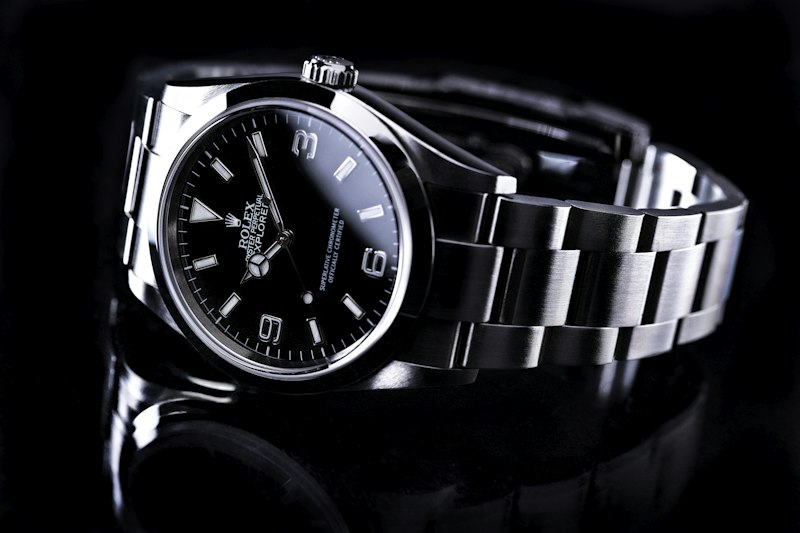
The watch-and-bracelet combination is one of the most stylish wrist looks you can achieve. Done well, it looks effortlessly luxurious — like you have an innate sense of style that extends to every detail. Done poorly, it looks cluttered and uncomfortable. The difference comes down to understanding proportion, metal harmony, and knowing when to stop adding pieces.
The Stack Formula
Watch plus one to three bracelets is the sweet spot for most wrist sizes. Start with your watch as the anchor piece — it is the largest and most structured item on your wrist, so everything else should complement it rather than compete. Add a thin chain bracelet first, then a bangle or beaded piece if you want more volume. The goal is graduated visual weight: the watch is heaviest, and each additional bracelet should be progressively thinner and lighter. This creates a natural cascade effect that looks intentional and balanced.
Matching Metals for Cohesion
Keep your watch and at least one bracelet in the same metal tone. This creates a visual anchor that ties the stack together. Then you can introduce one contrasting texture or material — a leather bracelet with a metal watch, or a beaded piece alongside gold chains. The contrast adds interest while the matching metal maintains cohesion. If your watch has a two-tone case, you have built-in permission to mix gold and silver bracelets freely.
Styling by Occasion
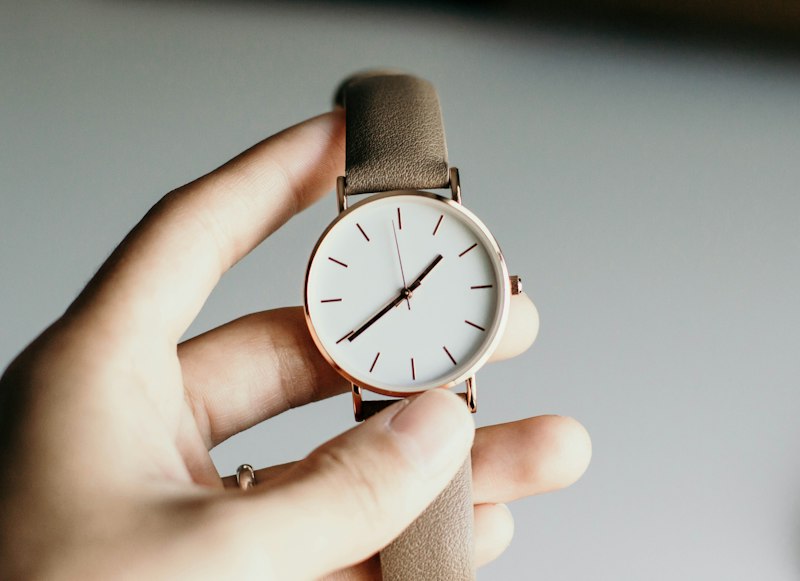
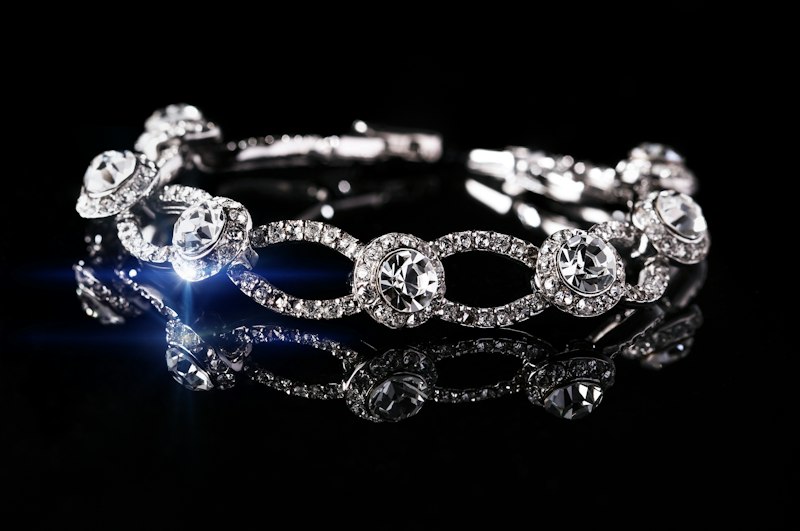
For the office, keep it minimal: your watch plus one thin bracelet. This reads as polished and professional without being distracting. For brunch and casual outings, you can push to two or three mixed bracelets — this is where beaded pieces, leather wraps, and charm bracelets can join the party. For evening events, pair your watch with a single tennis bracelet or a statement cuff. The sparkle of a tennis bracelet alongside a dress watch is one of the most classic and elegant wrist combinations in jewelry styling.
Practical Considerations
Stack bracelets on the same wrist as your watch or distribute them across both wrists — both approaches work, but the look is different. Same-wrist stacking creates a curated, intentional arm party. Split stacking creates balance and symmetry. Consider your dominant hand when deciding: heavier stacks on your non-dominant wrist feel more comfortable throughout the day and are less likely to interfere with typing, writing, or other tasks. Also pay attention to bracelet widths — mixing different widths creates more visual interest than stacking pieces that are all the same size.
FAQ
Tennis bracelet with a watch? Yes — it is one of the most classic and universally flattering combinations.
Can you stack on both wrists? Absolutely. Watch on one wrist, bracelet stack on the other is a popular and balanced approach.